The same research can become your next short, an ad, a script or a presentation. Keep the context. Change the format.
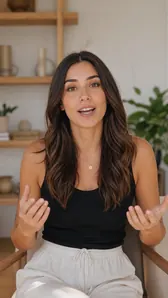
UGC · subtitled
0:34
nobody talks about this
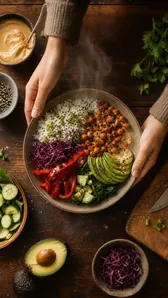
Ad · 9:16
Your skin barrier will thank you.
Shop now@haloskin
skin-ad-v3.mp4Export
0:000:050:100:150:200:250:30
stop scrollingyour skin barrierthree dropsno filtersshop now
Ad script · 30s validated
Hook
Stop scrolling — your skin barrier will thank you.
Body
Three drops after cleansing. No 12-step routine, no filters — just skin doing its job again.
CTA
Try it for 30 days. If your mirror disagrees, it's free.
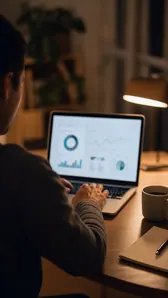
Q3 content reportDeck · PDF
UGC beat studio ads 3.2× on ROAS
Studio
1.0×
Influencer
2.1×
UGC
3.2×
haloskin — quarterly review12 / 18
One board, one campaign: the subtitled UGC cut, the ad variant, the script that wrote them, the timeline they were cut in, and the deck that reported the results.
Live collaboration, individual permissions and links for review.
Good questions. Straight answers.
A little clarity before your next creation.
Is there a free plan?
Yes, and it needs no card. On the Free plan you drop in your sources, chat with them and write scripts with your welcome credits, for as long as you like. Generating voice, images or video needs a paid plan — from $13 a month — and you can upgrade from inside the canvas whenever you're ready.
Do I need to know how to edit video?
No. The canvas takes you from a reference link to an exported cut with subtitles already burned in. The timeline editor is there when you want to change something by hand, not because you have to use it.
Whose voice is used in the voice-over?
Either an AI voice you pick, or a voice cloned from a reference video you provide. Cloned voices are stored per user, so the ones you make stay yours.
What does “cloning a channel” actually copy?
The structure and the feel, not the footage. We analyse a creator's videos shot by shot — cut lengths, pacing, how they open, the visual style, how they sound — and use that profile to write and shoot your video on your topic. Nothing from the reference ends up in your export.
Can I work on the same canvas as my team?
Yes. Live cursors on the same board, per-person edit or read-only access, and a public link when you only want someone to see the result. Every canvas is independent — sharing one never shares the others.
What can I drop onto the canvas?
TikTok and other links, web pages, PDFs, documents, images, audio and full video files. Each becomes a source node that's read once, and every chat you connect to it can use it from then on.
Is it only for video?
No. Video is the deepest pipeline — script, voice, generated shots, a timeline editor — but the same connected research also comes out as scripts on their own, articles, PDF reports and presentation decks. You choose the format when you ask; the sources stay the same.
Do I still need ChatGPT or Claude?
For general questions, sure — and Infica uses models like these underneath. What a chat can't do is hold your reference, script, voice and cut together while you change your mind about one of them. That's the part the canvas is for.
Can I change one step without redoing everything?
That's the whole point of the node chain. Rewrite the script and regenerate only the voice; swap the voice and leave the video alone. Nothing downstream re-runs unless you ask it to.
Let's make something of it.
Open a canvas. Describe your idea. See where your ideas can take you.